There is a straightforward rule when it comes to wildlife safety in Queensland’s national parks: put some distance between you and the animals, heed the signs and make ready for whatever the weather or the terrain may bring. While these are fine parks for camping, a swim or a walk to see some wildlife, one should not mistake the bush for a petting zoo with superior views.
I am Clara Whitmore and in my experience most run ins with wildlife can be traced to a minor error on the part of the visitor; a closure sign overlooked, food left out, a short track that was taken for granted or getting too near a creek. What follows is a guide to dealing with crocodiles, dingoes, cassowaries, stinging insects, the elements and emergencies in a way that is sensible for the day tripper and the camper alike.
A Croc-Wise Approach
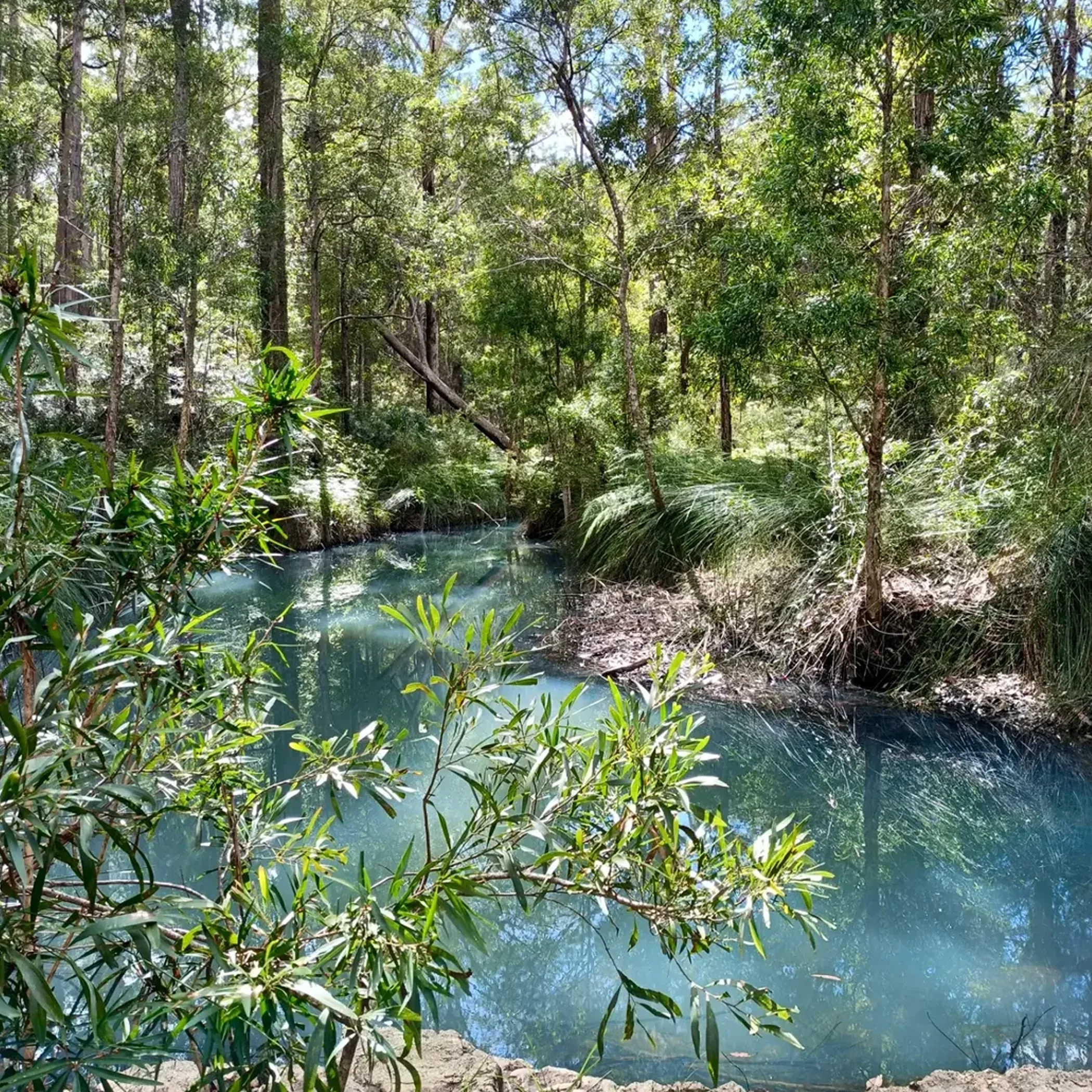
From the waterholes and estuaries to the rivers and beaches of the north, there is plenty of crocodile country in Queensland. Do not think a placid looking spot of freshwater is any guarantee of safety as saltwater crocodiles will travel through the water and up the banks.
The website of the Queensland Parks and Wildlife Service is where to go for local warnings and to see what the access conditions are before you head out. There is no telling what a storm, fire or animal sighting has done to the area and your mobile is unlikely to have signal once the bitumen is behind you.
Stay Off The Water’s Edge
Unless the authorities have put a stamp of approval on it, do not be wading, fishing or even washing up in water that might hold a crocodile. Make sure you are well back from the bank and never put your hands or feet over a ledge. For more guidance, see crocodile safety in parks.
You would be wise to have a firm hold on the children and dogs in and around creeks and tidal zones. A dog making a splash or a child after a frog can be out of sight in a matter of seconds, which is hardly the time to find out your system of supervision was little more than optimism.
Treat every warning with due regard, night or day. A picnic ground full of people does not make it safe in the dark and you are not to camp by a waterway unless the signs say you can.
Be Cautious When You Fish Or Camp
Where you are allowed to fish, do not stand on the bank to do it or clean your catch by the water. Put your bait and food away and get rid of waste in the manner the park dictates. Crocodiles make a connection between the smell of food and the people about, and that is a hazard for those who come after you.
Stick to the official campsites. An informal clearing by a creek has its appeal but flash flooding and the like can alter things in a night. Observe the rules for generators, fires and rubbish.
Think Before You Go Near An Animal
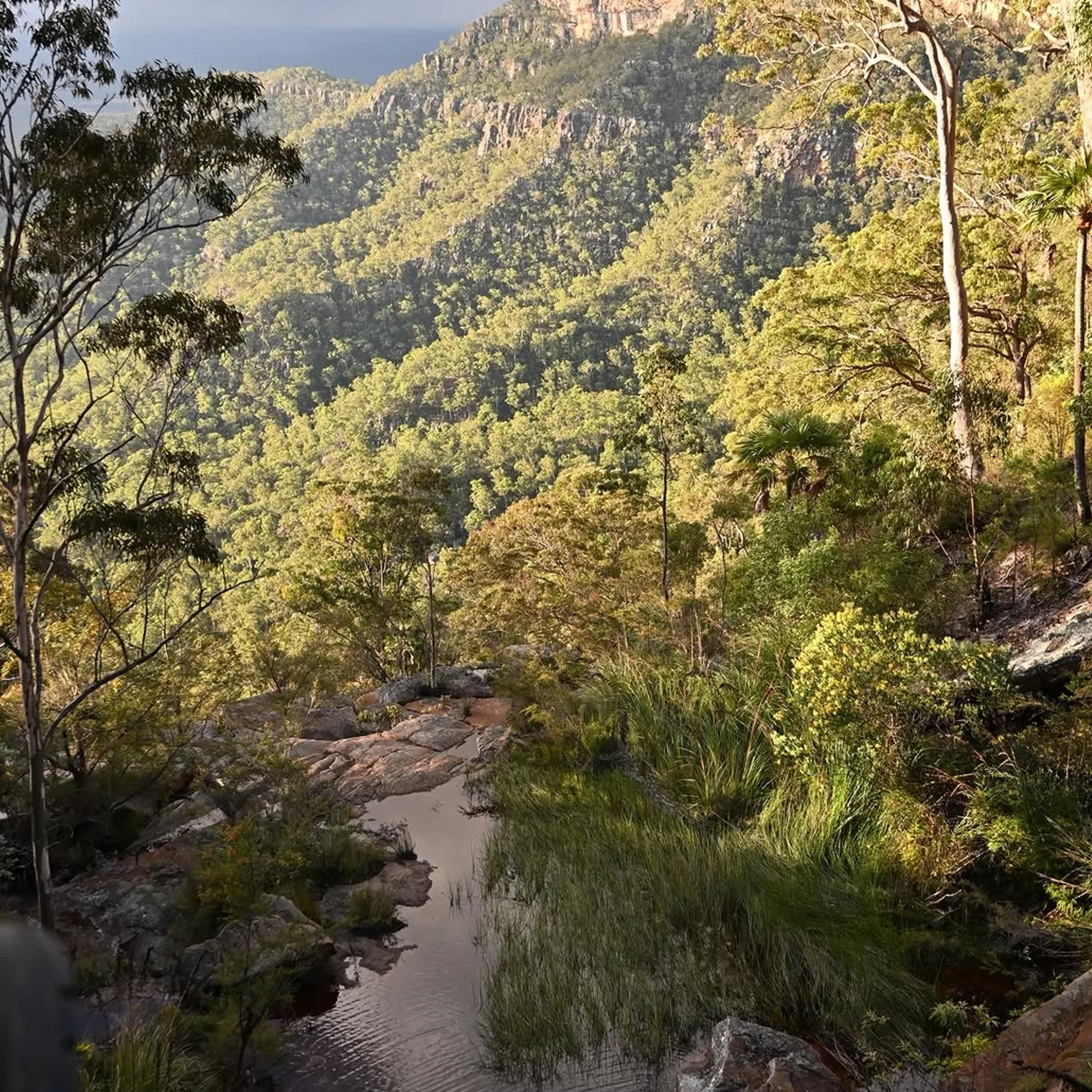
Native animals for the most part will have no truck with you. Problems arise when a visitor gets in the way of an exit or puts himself between an adult and its offspring, regarding the wild thing as nothing more than a cantankerous farm pet.
Let them have the space and use the zoom on your lens. Should an animal alter course because of your presence you have gone close enough.
Make Way For Snakes
In the heathland, rocky country and forests of Queensland you will come across snakes, and in the sun they may be on a warm track. Put your feet up and let it go. There is no point in prodding it or having a crowd on hand.
Wear proper shoes and stay to the marked path, do not put your hand in a rock crevice or old log. In the event of a bite, medical help is needed in a hurry. Have the person lie still, put on a pressure bandage if you know how, ring 000 and leave the snake alone.
Cassowaries And Dingoes
A cassowary will put up a defence to protect its young. Do not try to feed it or get in its way for a photo. If one comes at you, stand your ground but turn your body to the side, put something substantial in between and make your retreat, running is not the answer.
As for the dingoes on K’gari, they are not to be confounded with beach dogs. Keep the children in arm’s length and put food and rubbish out of reach. Do not jog solo in the vicinity of the campground or the beach, the speed of it will draw their eye.
Heat and Insects: Be Ready
In Queensland the heat has a way of getting to you; one might start a track in the shade only to end up on open grass, sand or rock. Then there is the humidity to contend with, which will put an extra strain on what should be a moderate walk, the wet season being no exception.
The best course of action is to make an early start and put in a more leisurely pace, and take along more water than you think necessary. You will find that a kilometre over rough, steep or treacherous ground does not equate to the same distance on a flat footpath.
Keep your bush checklist straightforward
There is no call for an elaborate pack, just something that will see you through if the weather changes, the track proves to be longer than it looks or a shoe goes missing in the mud.
- Sufficient drinking water, some extra rations, sun protection and a rain layer.
- A first-aid kit, any medication you may need, insect repellent and enclosed shoes.
- Your phone fully charged with an offline map, a power bank and emergency contact details to hand.
- Written down the route, campsite and return road in the event reception is lost.
- A torch or headlamp, day walk or not.
Prevent Bites And Stings
Mozzies can be relentless at dawn and dusk so apply repellent when near creeks, mangroves, rainforest or the camp kitchen. Opt for light, loose attire, give your shoes a good shake before donning them and look for ticks once you have been walking. Leave caterpillars, spiders and marine life of an unknown variety alone.
Be heeding of beach warnings at coastal parks and put in an inquiry with locals about stingers, currents and other seasonal dangers before you go in the water. Having a tinnie or paddleboard is no excuse to forgo a life jacket or check the weather.
Stick To Tracks You Are Capable Of
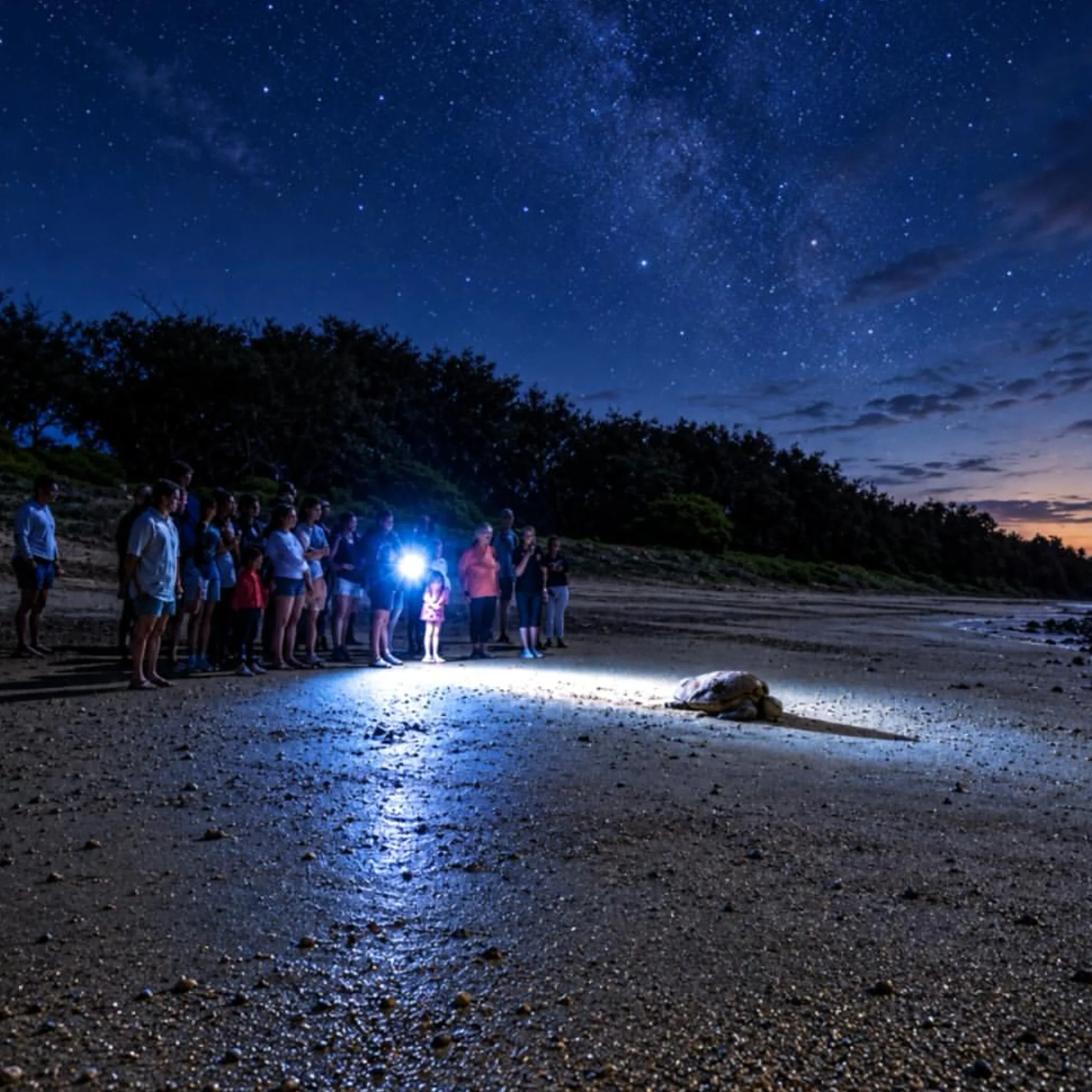
A park will present its share of obstacles: loose rocks, creek crossings, slippery roots and steep stairs, and a minor detour can turn into a long one. The most prudent walk is one suited to your navigation and fitness as well as your footwear and the available daylight.
Let someone know your intended route and time of return and keep them in the picture should you alter it. When a search is underway “we were in the vicinity of the lookout” is of little use.
An Overview Of Park Risks
What follows are figures for planning purposes, do not let them stand in for the park map. Distances and conditions are subject to change, so verify before you set out.
| Situation | What to expect | Safer option |
|---|---|---|
| Short lookout walk | Steepness, heat and a slick way back | Proper shoes and some daylight to spare |
| 10-kilometre return | 10 kilometres of walking, not in total | Have food and water for the lot with something in reserve |
| Creek or waterhole | Deep water, crocs, flash floods | Confine yourself to where the signs say you can swim |
| Rainforest | Mud, leeches, poor visibility and the damp | Put some cover on your skin and your map and phone, and slow your pace |
| Remote camping | Assistance is delayed, supplies thin and there is no reception | An emergency plan and inform others of your route |
At Some Point You Will Have To Turn Back
If the going gets too much, or it is darkening, or the water is coming up, or for whatever reason the track is beyond you, then turn around. Pride is of no help in navigation and you do not want a photo from the end of a trail to be the cause of a rescue that could have been avoided.
Do not attempt to cross a flooded creek on foot or in a vehicle after a downpour; the water runs fast and can undermine the road. And a gate left unattended does not mean you can ignore a bushfire closure.
Transport And Getting Into The Park
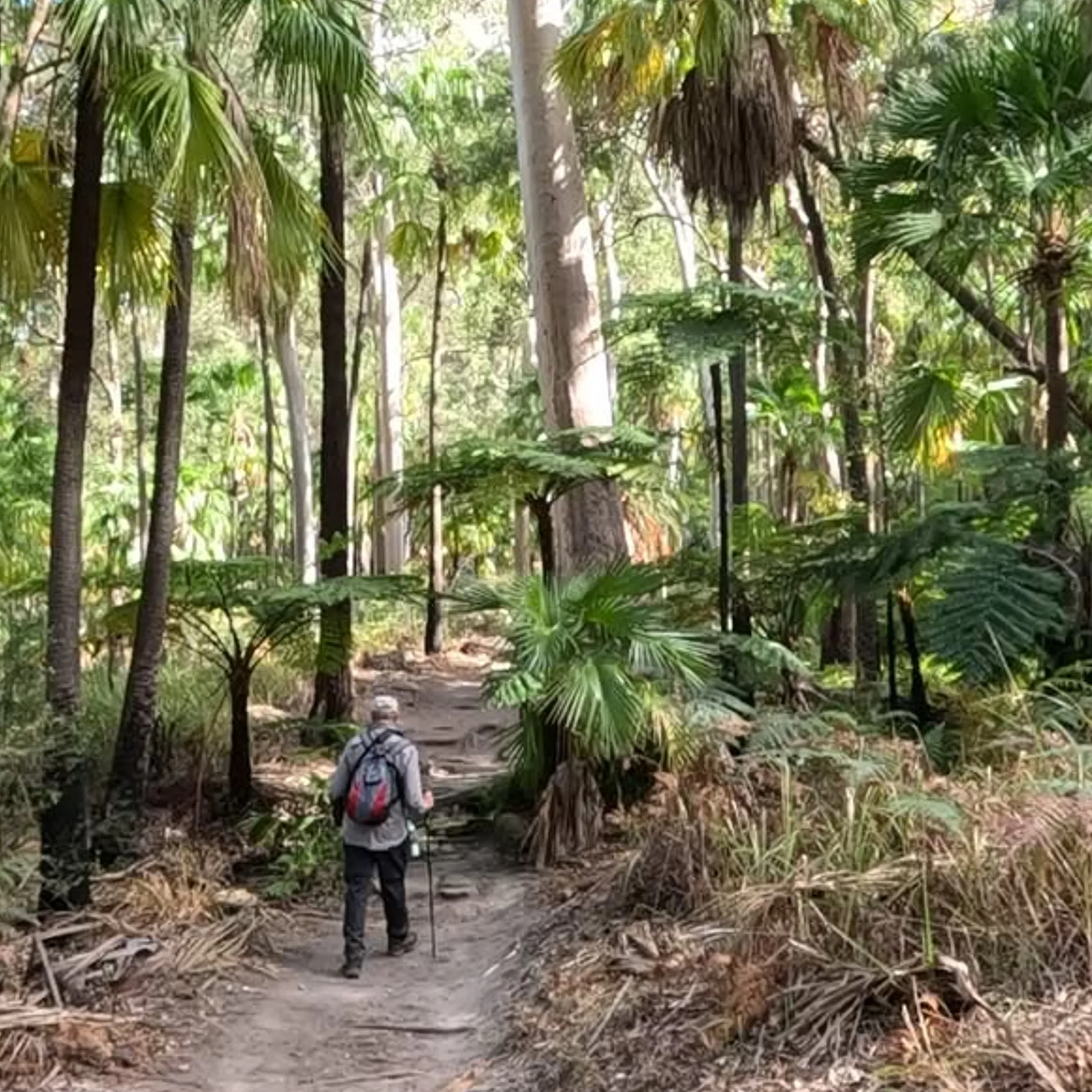
Some of our national parks are but a stone’s throw from town while others are remote and demand a high-clearance vehicle and some forethought on fuel. Public transport might get you to the area but will not see you to a trailhead or inland road.
Look at the access road, not merely the name of the park on the map. A sealed highway can give way to gravel and what is fine in dry weather can be impassable in the wet.
Give Yourself Time
On a day trip, factor in parking, the walk from the car and reading the signs so you are back before dark. Between trailheads add in time for traffic, wildlife, roadworks and to put the camera away. Do not trust mobile navigation to take you over roads it deems suitable on the basis of distance alone.
Take enough fuel for the return journey. There is no guarantee of a service station by the entrance in the hinterland and when options are few the price of food will be higher, so make a proper lunch instead of counting on the kiosk being open.
Fees And Facilities
Access is free of charge for the day in some parks; in others you will be put down for a fee to camp or drive in, or for a permit and certain activities. As for fees, what is on offer by way of drinking water, toilets and rubbish disposal, and the rules around booking, all of this is subject to change and will differ from one park to the next. Put some stock in the latest official information instead of an old post on a forum.
Before you go off into remote country, it is prudent for your own safety and comfort to have noted where the last decent toilet, phone reception, fuel and supermarket are. Get your maps downloaded and emergency details saved while there is still service.
A One-Day Safety Plan
When the day is limited, pick a single walk or activity and allow a wide margin for the heat, any wildlife and delays. An itinerary that has room for a waterfall, a gorge, the beach, a lookout and the sunset is a recipe for being behind the wheel on roads you do not know when you are done.
Go with the part of the park that is best suited to your group, has good facilities and easy access. Unless an experienced local is with them, beginners would be well advised to steer clear of unmarked tracks, exposed climbs, creek crossings and anything too far out of the way.
Follow This Itinerary
- Make sure you have checked the weather, alerts and road and water conditions prior to departure.
- Put in a call to let someone know your vehicle and route and when you will be back.
- An early start is best. Tackle the hard part first and have your food and water with you.
- Do not be tempted by “one last little loop” and make sure there is daylight left for the return.
- Once home, report in to those who were expecting you.
Reality as Opposed to Expectation
One might think a wildlife walk is synonymous with constant sightings. In truth the most rewarding visit may be to see an animal for a moment before it is gone in the bush, or to come across some tracks and the odd bird.
A sign for a national park does not denote an easy track, it is there to point out hazards and direction, nothing to do with your fitness or how you take the humidity. You can count on uneven terrain, wet feet and the occasional mozzie with a grudge.
Frequently Asked Questions
The answers to these are typically conservative because they are the mistakes visitors make: keep your distance, heed the warnings and do not short change the time needed to get back.
Is any waterhole open for a swim?
Only if the signs and the park say it is safe. A waterhole or beach can be made so by crocodiles, stingers, poor water quality, flooding or a strong current.
Encounter a snake?
Calmly stop and let it have an exit. No chasing or touching. In the event of a bite, ring 000 and immobilise the person, putting on a pressure bandage if you are able. There is no need to wash the wound or put the patient in the car to go looking for help.
Dingoes and children?
They are wild, not family pets. Do not feed or pat them, hold the children close, put away the food and rubbish and observe the local rules for camping and walking.
Walking solo in a remote park?
Better to have company on a coastal or poorly serviced track. If you must go it alone, stick to a popular route, have your emergency gear, lay out your plan for someone and be back before the light or conditions fail you.
Reception is lost?
Your phone should not be your only line of defence. For a trip in the true wilderness an emergency beacon is something to consider, as is a power bank and leaving a written copy of your plans. Should you become disoriented, put yourself where you can be found, find cover and hold your water.
Departing the Park
There is a quiet discipline to good wildlife safety: give the animals their space, stay on the track, secure your food and abide by closures. The ideal is to come back with your boots caked in mud and your eyebrows intact while the animal has carried on with its day.
The bush is not concerned with how optimised your schedule is. Queensland’s national parks are for the patient traveller who makes realistic plans and prepares for what is there, not the postcard image. Check the advice each time you come.