The first rule of roof maintenance is to make an inspection before a minor flaw has a chance to turn into a ceiling stain or a mould issue or something that will cost you dearly. Then there is the matter of what material is over your head; between the heat, salt air, wet seasons and the odd storm or bushfire conditions, Australian roofing takes its share of punishment and the checks you need will reflect that.
I am Clara Whitmore and I have no time for maintenance advice that only applies to a showroom roof; I like it to be applicable to an actual home. In this guide I have set out a practical schedule for metal, Colorbond, corrugated iron, concrete and terracotta tile, asphalt shingle and flat roofs, including when to make a call to a professional.
What one should check on any roof
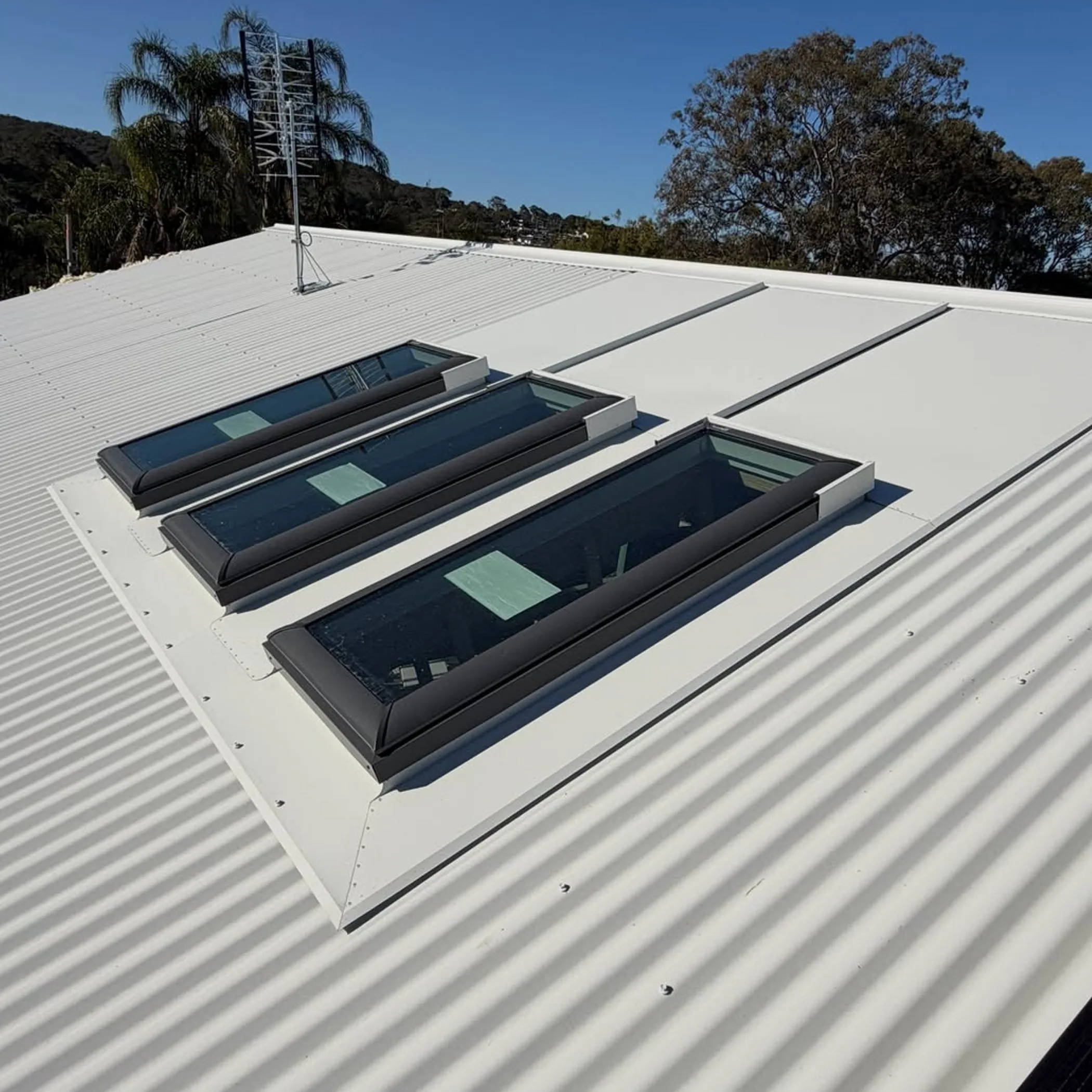
A roof in good order is one that stays firmly attached to the building, stands up to the weather, keeps the water at bay and handles the heat. You do not need any contraptions to do a proper roof inspection, but you will want patience and a vantage point from the ground. You can also use this vantage point for identifying roof organism differences. And the sense not to go climbing a wet roof in thongs.
Structural stability, durability, thermal and fire performance are among the five functional requirements, as is resistance to the elements. They may be interpreted differently depending on how and where a building was put up, but they are a sensible place to begin for the homeowner.
Do a ground inspection
Make a circuit of the property. See if there are any sagging lines, loose ridge capping, broken or absent roofing, flashing that is damaged or gutters and downpipes in overflow. Note if tree branches are making contact with the roof or if a storm has put dents in the sheets and left debris in the yard.
When it has been raining hard, have a look up. You might find water marks under the eaves or dampness in the ceiling and a musty odour in the roof space. These are telltale signs of a leak even if the stain is nowhere near where the water got in; water has a way of going sideways as though gravity had other interests.
Inspection Checklist
Note the location and date of any defect and the state of the weather. If you take photographs from the same spot you can see corrosion or vegetation encroachment more readily.
- Examine the gutters and downpipes for rust, leaves and sediment and make sure the discharge is adequate and well clear of the foundations.
- Any lifting or gaps in the sealant around the chimney, vents, skylights and valleys will show in the flashing.
- Tiles that have cracked or slipped, split sheets, punctures and underlay on display are all to be noted.
- See if the fasteners have moved or are corroded, whether washers are in place and if there are streaks of rust under the screw heads.
- Mortar joints and the capping on the ridges and hips should be checked for cracks or anything loose.
- In the roof space itself you will want to be on the lookout for daylight, wet insulation, timber damage, pests or mould.
- Have a contractor with the right credentials trim back any hazardous trees.
And do not put a pressure-washer to a roof without heeding the manufacturer. The force of the water can strip coatings, dislodge tiles and push moisture and contaminants under laps and into the gutters.
Maintenance frequency
There is a certain amount of climate to factor in. The roof is indifferent to the month, it is the weather that matters. A Victorian property will have to contend with frost and the need to prepare for bushfires, whereas in coastal Queensland one has to put up with cyclones and the salt and humidity.
For most a twice yearly visual from the ground is called for, and after a big storm. Gutters in leafy neighbourhoods will want more frequent tending. Regular inspections can help reduce storm damage, as recommended by storm preparation guidelines.
Seasonal maintenance
With the wet season coming, get the gutters and downpipes in order, remove anything that could be picked up by the wind and have a look at the flashing. Up north the Bureau of Meteorology will be putting out warnings and forecasts for cyclones from November through April so best to be guided by them.
Summer calls for the removal of dry litter and checking for sealant that the heat has done in. Where bushfire is a risk, maintaining the roof is part of the overall plan for the property, along with ember control.
Should hail or heavy winds come through, have a ground level look first. It is not worth climbing up to see if there is storm damage on an unstable or wet surface. If you spot materials that have lifted or water coming in, then put in for a professional to have a look.
Checking Your Home
There is value in a good schedule: an inspection after any major weather, a look at the gutters ahead of heavy rain and a check from the ground every six months. For a home on the coast, one that has trees all around or is subject to frequent storms, more regular attention will be called for.
It is also wise to put together some records of past leaks, tile work, sealants, paint and repairs. A roofer can use this to spot any recurring issues and it makes for a better comparison when quotes are being considered.
| Roof Type | Common Problems | Routine Priority |
|---|---|---|
| Metal (Colorbond, corrugated steel) | Coating damage, rust and corrosion, blocked gutters, loose fasteners | Examine drainage, coatings, laps and screws |
| Concrete / terracotta tile | Brittle bedding, damaged pointing, tiles missing, slipped or cracked | Valleys, ridge capping and tile alignment |
| Asphalt shingle | Damaged flashing, exposed nails, lifted edges, curling and granule loss | Water-shedding details and overall shingle condition |
| Flat membrane or bituminous felt | Shrinkage of the membrane, failed joints, splits, ponding water and obstructed outlets | Seams need a close eye; ensure clear drainage |
The Basics Of Metal Roof Maintenance
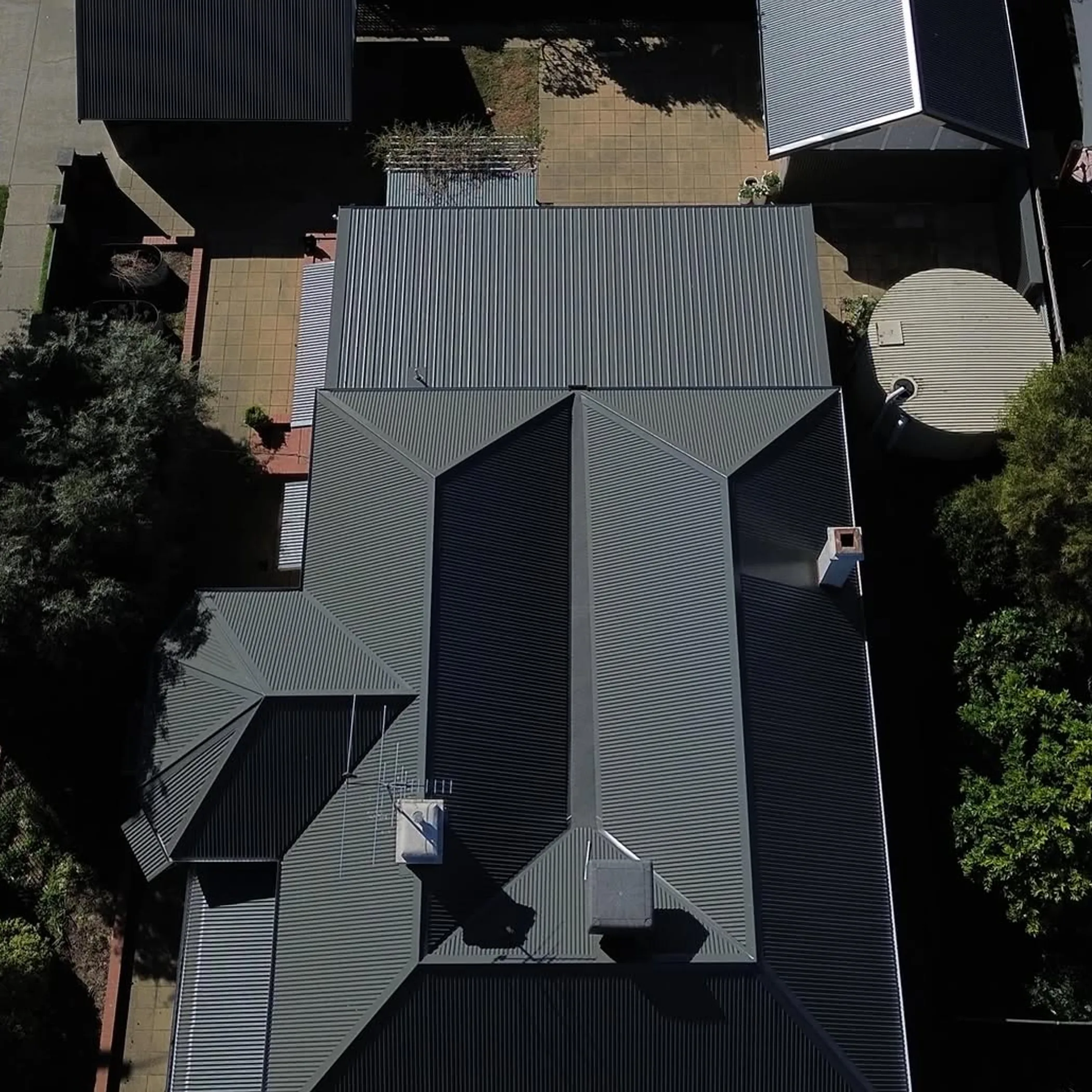
For the most part, maintaining a metal roof is a matter of keeping a lid on water, movement and corrosion. While Colorbond and like coated steels do their job well, the coating is no match for salt, wayward branches or a fastener left to its own devices.
You will find the same holds true with corrugated iron, though you might see corrosion come on faster with older galvanised sheets, in places where wet debris is allowed to sit or at cut edges and penetrations. The view from the driveway may be unremarkable but there could be quiet rust setting in around the screws.
Sheets And Fasteners
When you inspect fasteners, be on the lookout for rust, deteriorated washers and any sign of movement. It is not enough to put some sealant over a bad fastener and be done with it; a roofer should put in a compatible replacement and put right any purlin or hole that has been enlarged.
Clear away leaves and the like so they do not remain damp on the metal. In coastal areas where salt in the air will hasten corrosion, one has to be more observant and clean with an eye to the coating. At any point of repair or penetration, mixing metals is to be avoided as moisture will bring about galvanic corrosion; leave it to a qualified roofer to verify the materials and coatings are in order.
Colorbond
The aim with Colorbond is to leave the factory finish alone, not abrade it. Put aside abrasive tools and harsh chemicals and do not be hasty with a pressure washer. Should the coating show signs of peeling, chalking or scratching, get some advice before you put down a new paint system.
Make sure to check your flashings, vents and skylights, for they are apt to move in a way the rest of the sheet does not. Old sealant will split or shrink, but putting in new sealant without addressing poor drainage or movement is only a stopgap measure.
Tile Roofs
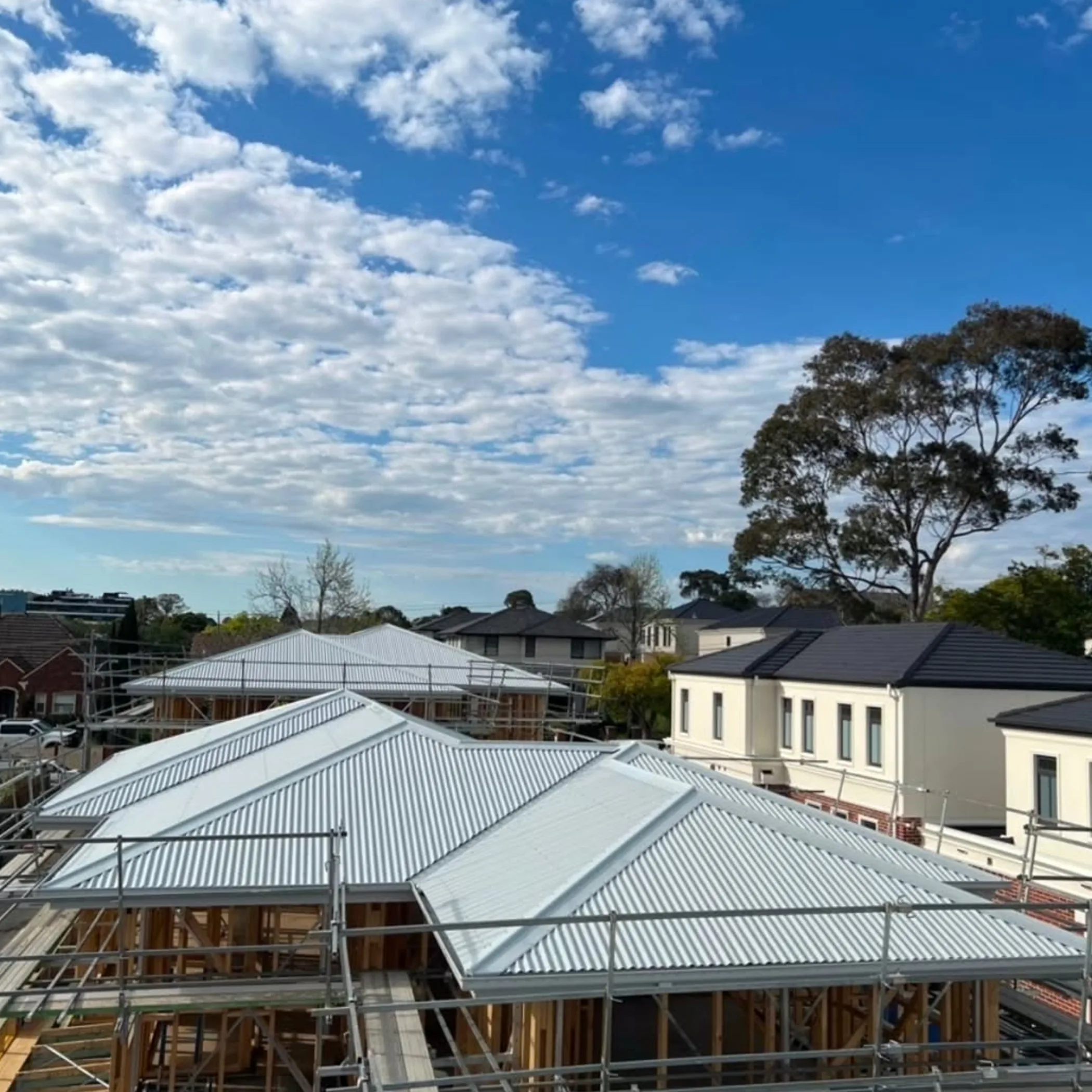
With concrete or terracotta you are not so much concerned with washing every inch as with the integrity of the system. A single disturbed ridge or a crack in a tile is an invitation for water to make its way into the underlay. I am often surprised on an inspection how a few out of place tiles have made for a bigger problem inside; the ceiling stain can show up weeks later once wind and rain have found a gap.
Tiles And Ridge Capping
Stand on the ground and you will see if the lines are off, if there are dark patches or a tile sitting higher than its neighbour. Unless you have the equipment and training, do not put weight on the tiles; concentrated force will break them, particularly terracotta.
Valleys must be free of silt, broken tiles and leaves or you will have overflow under the tiles in hard rain. As for the ridge and hip capping, have a roofer determine if the mortar is cracked or the pointing has given way and whether rebedding or a new capping is in order.
Movement
Put in a like-for-like product to replace a cracked or absent tile. Some colour difference is to be expected after years in the sun but the fit has to be right. Do not be fooled into thinking a roof is safe because the tiles are dry; lichen and moss are slippery and a roof with loose tiles is no place to be.
Asphalt Shingle
The upkeep of an asphalt shingle roof is a matter of tending to the granules, any edge movement, ventilation and flashing. While one will not see as many asphalt shingles in parts of Australia as metal or tile, those that are put in place call for care suited to the material.
Colour is not the only thing to go by when appraising a roof. Up close a shingle might be curling at the edges, have lost its granule protection or be showing nail heads even if it seems fine from below.
Early Shingle Damage
There is no better way to spot damage than to look for shingles that are missing, blistered, cracked or curled. The wind and rain will make their presence felt at the valleys, eaves and edges so check these spots first. An accumulation of granules in the gutter is a sign of surface wear, especially if there is more of it in the wake of a storm.
Any failed sealant, exposed nails or lifted tabs around the chimney, skylights, vents and where the roof meets the wall should be seen to before water gets to the deck.
Trim back branches and keep off the shingles; foot traffic has a way of dislodging the material and its granules. In some instances where deterioration is rife, putting a patch on a few shingles is hardly an economical solution.
Essentials for Flat Roofs

Even a little ponding can put undue strain on a membrane over time which is why drainage is key to flat roof maintenance. Most “flat” roofs are constructed with a fall to ensure water makes its way to the outlets instead of staying put.
Provided the seams and penetrations are in good order, bituminous felt and membrane systems will do their job. But they can come undone in short order if an outlet is obstructed, the surface gives way or another contractor puts a hole in the roof and does not seal it properly.
Dealing with Ponding Water
Once the rest of the surface has dried after a rain, see if any water lingers on the roof. That could be down to a sagging substrate, a problem with the design of the drainage or blocked outlets. Extra sealant is not the answer to the symptom.
Make sure leaves and sediment are not clogging up the gutters, scuppers and drains. Verify the overflow paths in case the main outlet is impeded. A visual inspection may not be enough to gauge drainage levels with the necessary precision, so leave that to a professional.
Membranes and Seams
Examine the parapets for shrinkage and the rest of the roof for open seams, punctures, bubbling or splits. Pay particular attention to the transition points at the walls, pipes and skylights where the membrane is joined; different materials will expand and contract and these are apt to fail.
One would be well advised to confirm compatibility before slapping on a patch product to a membrane. Bituminous felt, liquid applied and synthetic systems are not all repaired in the same manner and the wrong sealant will only add to the cost and difficulty of the next fix.
Roof Organisms
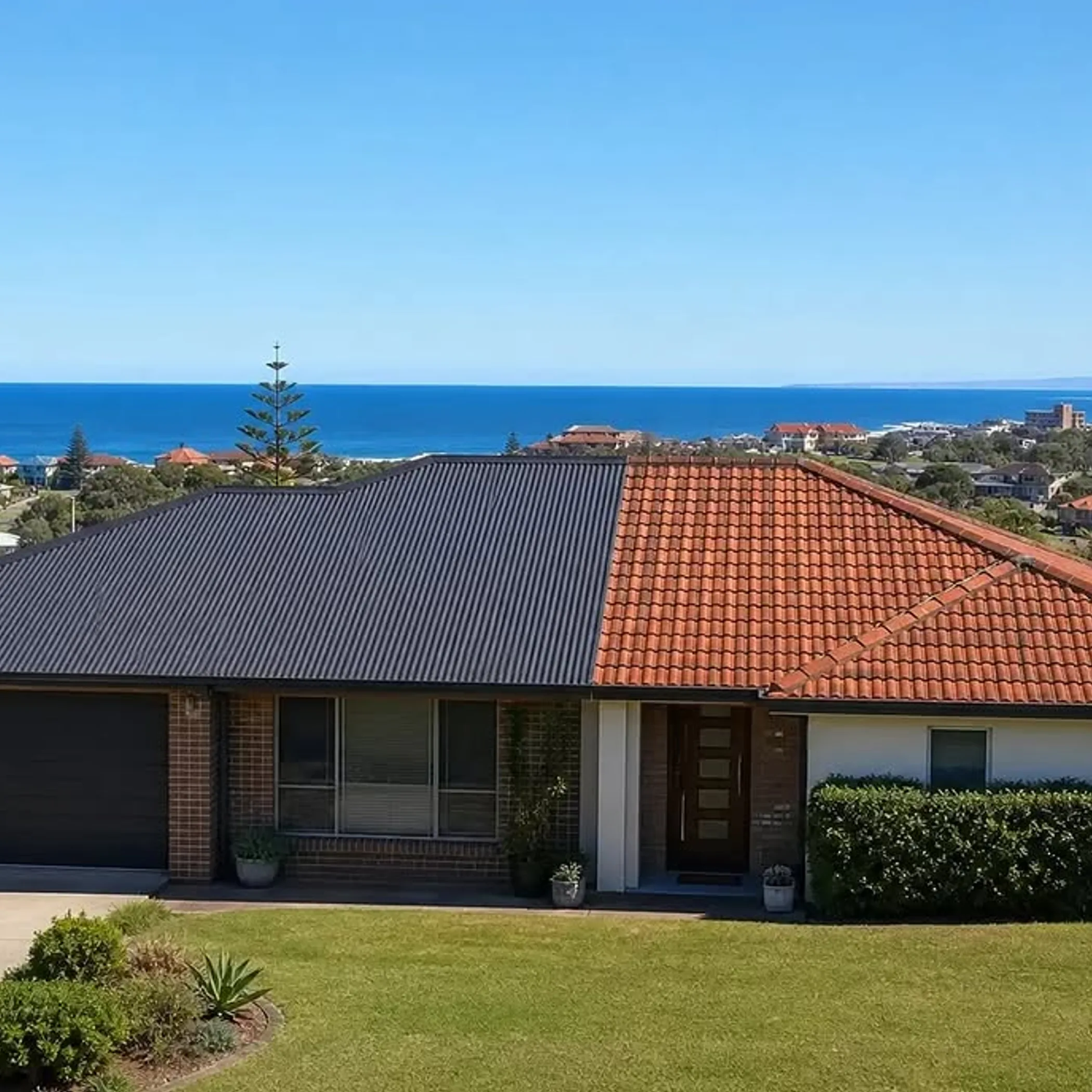
Moss, lichen, mould and algae thrive on shade, moisture and debris but they are not all the same. Algae tends to show up as dark streaks and moss as a thick green growth holding onto moisture; lichen is more tenacious and mould is usually a tell tale of dampness or inadequate ventilation. When in doubt, get some expert opinion rather than making a guess with the pressure washer.
Lessen the shade
Lessen the shade by pruning and clear the leaves out of the gutters and valleys. Ventilation can be improved but existing vents should not be obstructed or the roof altered without regard for condensation and airflow. And be selective with treatments, some cleaners will corrode metal, harm the garden or stain concrete. Follow the instructions to safeguard nearby vegetation and tanks.
What most owners overlook
It is common to deal with the growth one can see and not the cause of it. If there is mould or moss that will not go away it may be because of condensation in the roof space, poor sunlight, a leak in the flashing or drainage that is not working. Deal with the growth and put an end to the cause.
Should you find that organisms have made their way under shingles, obstructed drainage or heaved tiles, have a professional come and look at it. A good cleaning will make things presentable but is no substitute for fixing a roof junction that has given way.
When To Enlist A Roofer
There are times when a professional inspection is the only sensible course of action: if the damage is of a certain extent, access is problematic or one cannot put a finger on where a leak is coming from. Roofing is not something to be taken on with a ladder and some confidence; there are fall hazards and structural risks lurking behind fragile materials.
Do not hesitate to contact a roofer in respect of active leaks, sagging, storm damage, exposed underlay, corrosion of any consequence, ponding water that returns or ridge capping on the move. If water is in proximity to electrical fittings an urgent assessment is in order, though leave the electrical side to a licensed electrician.
Put The Inspection To Good Use
Some preparation before the roofer comes along will help. Make note of which rooms are involved and what time the leak shows up, and whether wind or heavy rain has an effect. From a vantage point that is safe, put on record with photographs any stains, external damage or gutters that are overflowing.
Insist on a written scope of work to see what the repair method, material and access requirements are and if temporary protection is part of it. Do not put a minor patch up against a full replacement when comparing quotes.
One must expect wide variation in the cost of a replacement depending on the labour in the region, the size and pitch of the roof, the need for insulation or waste removal and so on. $30,000 is a fair sum for some roofs and over the top for others; it is the specification that counts, not the figure on the page.
The materials for a new roof are dictated by the design and what an inspection turns up, not some off the shelf list. Expect to see new sheets or tiles, flashings, sarking, membrane, fasteners, battens, sealant and the like.
Frequently Asked Questions

We address here the sort of errors homeowners are prone to in their maintenance planning. While the answers below are straightforward, a roof with active damage warrants an assessment on site.
Recommended Maintenance Practices
A twice yearly inspection from the ground is advisable as well as after a hard storm. Get the gutters and downpipes clean, attend to any small defects and trim back branches. Be sure your sealants and coatings are suited to the material. Check the flashing and ridge capping.
The Five Functional Requirements
In broad terms they are fire and thermal performance, durability, weather resistance and structural stability. How these are met will depend on the construction materials and the location of the building.
What Is Used In A Roof Replacement?
Asphalt shingles, metal, tiles, bituminous felt, membrane, underlay, sarking, insulation, fasteners and compatible sealant are all common. Let the roofer determine the right mix once the structure has been seen.
Is $30,000 An Excessive Price?
Not in every case. For a project involving difficult access, premium stock, structural work, ventilation and disposal on a large or complex roof it may be. Have an itemised scope put forward and get three comparable quotes in AUD to check warranties.
Self-Inspection
Provided conditions are right there is no harm in having a look around the gutters and in the roof space from the ground. But do not go climbing on a roof that is steep, wet or in poor repair. When in doubt about a defect or if there is a risk of a fall, a professional should be called in.
For A Boring, Sound Roof
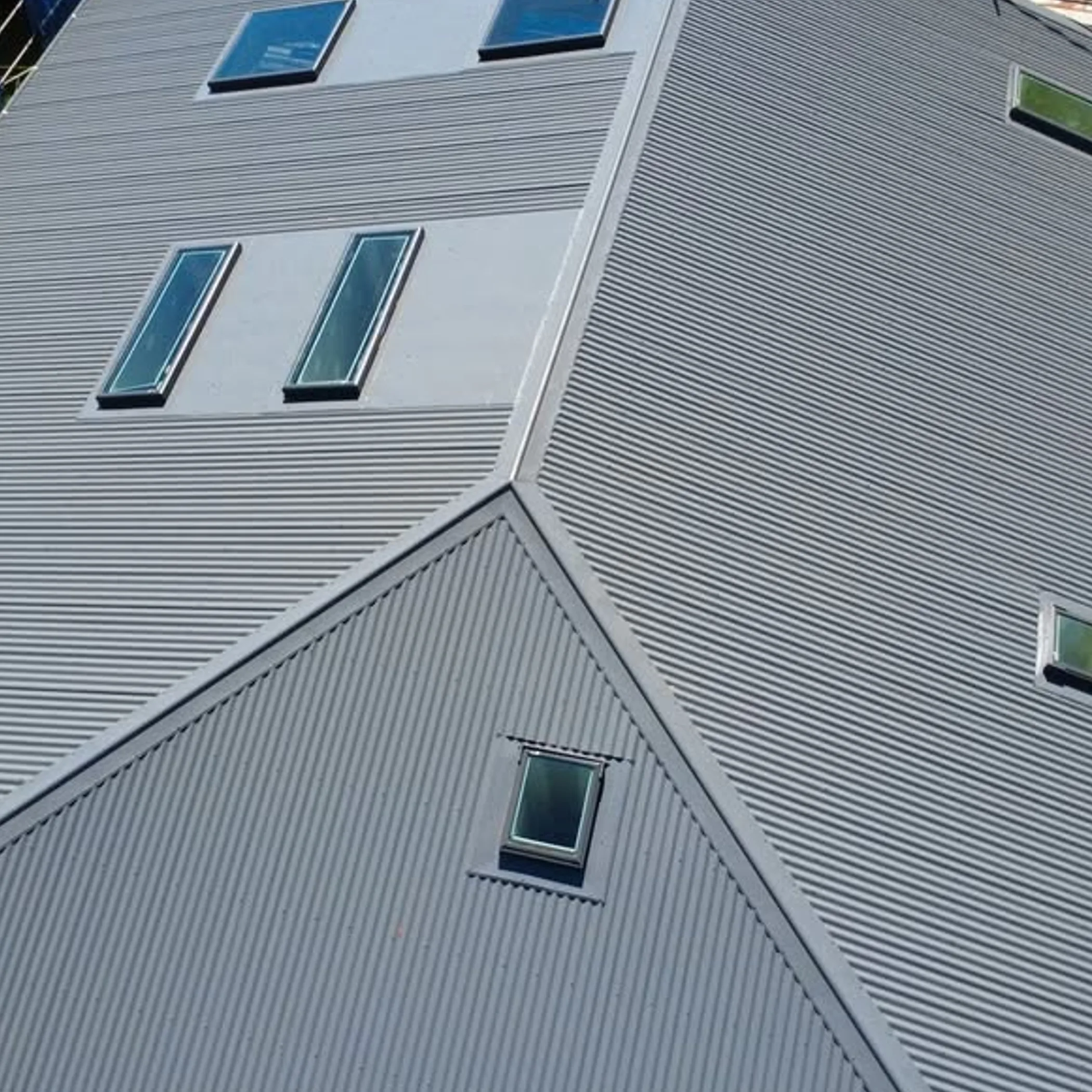
Australia’s homeowner would do well to use a maintenance checklist that is actually followed. Clear the drainage, deal with the aftermath of a storm and nip small defects in the bud before water becomes a factor. Inspect by material.
A roof can perform without being a thing of beauty so long as the junctions are in order and the drainage and materials are secure. Make a note of it, have it inspected by a pro if the occasion calls for it and let the roof be uneventful. That is what it is for.