There is an elementary principle to the 2026 Australian seasonal produce guide: put in your basket what local growers are putting out. Climate, the soil, rainfall and transport mean that the seasonal availability of fruit, vegetables and the like will vary from one end of the country to the other. You will not be offered the same wares at a farmers market in the Northern Territory as you would in Tasmania; it is as it should be.
I am Clara Whitmore of regional Victoria, not far from Daylesford where one can consider a trip to the market on a cool morning something of an expedition. Here I set out what is in season from summer through to spring, and how to go about it with regard to price, weather and freshness so as not to come home with three kilos of something unfamiliar to the kitchen.
2026 Seasonal Market Calendar
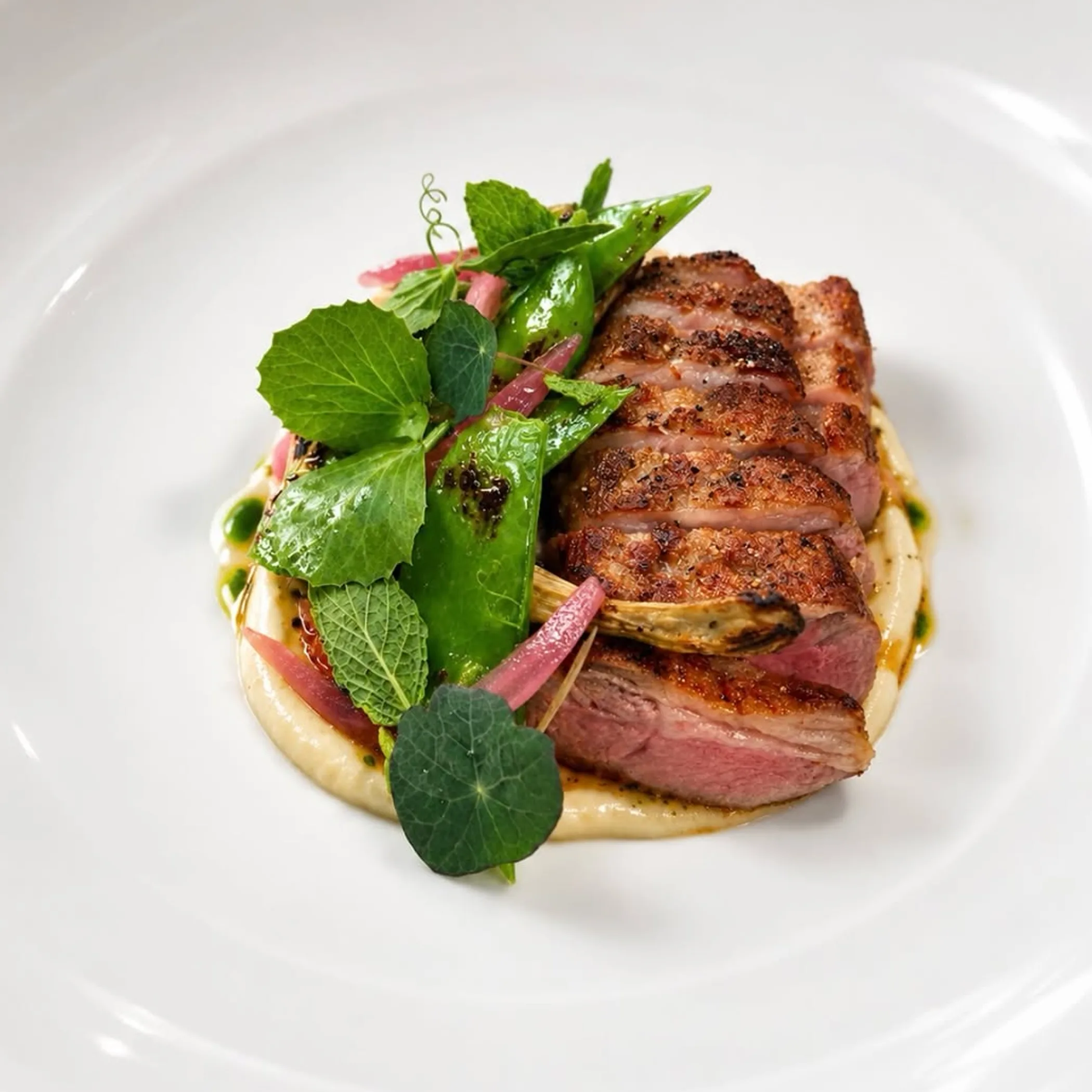
Rather than a hard and fast timetable, this 2026 calendar of the farmers market lays out the general pattern across the nation. For broader context, see the best seasons for Australian street markets. A crop can be put back or brought forward by weeks thanks to a cyclone, frost, heatwave or a wet spring; the market sells what is ready.
Treat the calendar as a point of departure and then put it to the stallholder to see what has been picked of late. The most forthright answers are had from the fellow with the mud on his boots and a hand scrawled price board who has no time for making out that every week is ideal.
| Season | Fruit To Look For | Vegetables To Look For | Artisan And Pantry Goods |
|---|---|---|---|
| Summer | Strawberries, blueberries, mangoes, bananas, stone fruit, watermelon, early grapes | Tomatoes, zucchini, cucumbers, sweetcorn, beans, capsicum, salad leaves | Sourdough, jams, fresh herbs, pasture-raised eggs and honey from the region |
| Autumn | Apples, pears, figs, grapefruit, early citrus, grapes and the last of the stone fruit | Pumpkin, carrots, beetroot, potatoes, silverbeet, brassicas and spinach | Cider, preserves, mushrooms, honey and eggs |
| Winter | Oranges, mandarins, lemons, kiwifruit, apples, pears and grapefruit | Rhubarb, broccoli, cauliflower, cabbage, leeks, silverbeet and spinach | Sourdough, fermented items, honey, eggs and anything the orchard has put away |
| Spring | Citrus, rhubarb, strawberries, early berries and, in the right part of the country, cherries | Asparagus, broad and early peas, lettuce, new potatoes, spring onions and spinach | Fresh eggs, sourdough, herbs, honey and the first of the preserves |
Do not expect uniformity. A strawberry might make an earlier showing in a warmer district, but you have to wait for the Tasmanian variety. Hort Innovation puts out industry data on Australian horticulture yet there is no better way to know what is to be had in your district that morning than the market stall itself.
Climate Zones and Availability
Ask what is in season in Australia and you will not get a national answer, because of the climate zones. The agricultural clock in an alpine location or the dry inland is not the same as in the temperate south or the tropics.
The Bureau of Meteorology’s official outlooks and climate information are worth a perusal for background on conditions. One would do well to check before setting off, in case of bushfires in summer or any flood and cyclone warnings in the north.
Regional Timing
Access and harvests in the Top End and elsewhere in the north are at the mercy of the wet and dry seasons. There may be an abundance of tropical produce such as bananas and mangoes in the northern markets until the rains put a stop to deliveries and road access.
Cooler climes in Victoria and Tasmania protract the season for leafy greens, berries and apples. The individual grower and the week will dictate stock, though the Fruit Growers Tasmania is an instructive reference on orchard production in the state.
Inland Australia is another matter; distance and irrigation come into play and a market’s range can be diminished after bad weather. A list by region is more to be trusted than a national one.
Shopping at the Summer Market
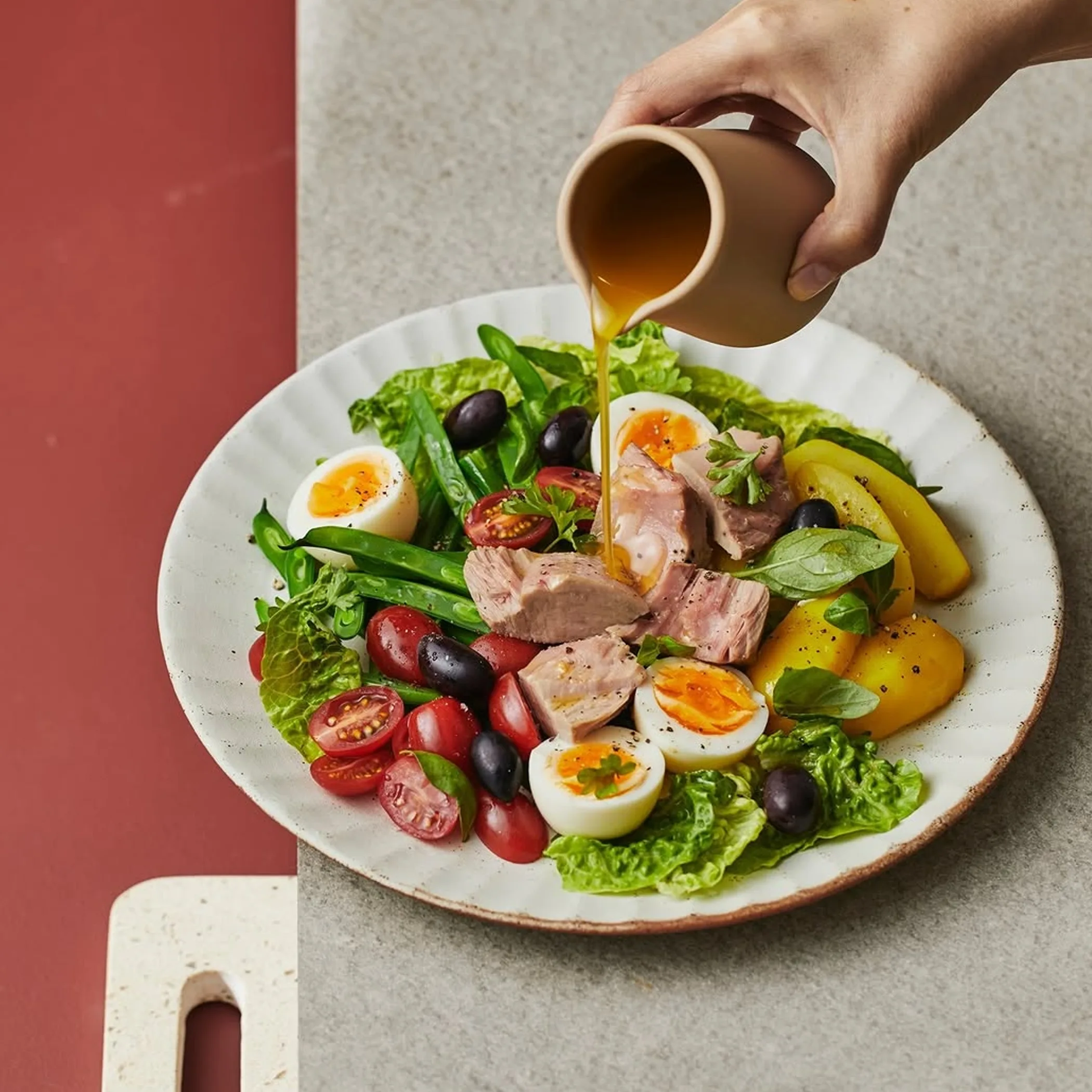
They are colourful affairs in the summer and sometimes brutal. In the towns of the inland you want to be there before the sun has made of the car park a frying pan. An insulated bag is a good idea if you intend to take home soft fruit, fresh pasta, eggs or berries.
It is the season for eating your fruit without delay and for quick cooking and a liberal salad. Heat will tell you if something has been poorly handled so be sure to check for freshness.
Some Fresh Picks for Summer
You will find tomatoes, zucchini, cucumbers, sweetcorn, capsicum, beans and salad leaves along with strawberries, blueberries and mangoes. Shepard avocados tend to show up at another time of year, whereas the Hass is a later and longer running thing. Do not put too much store by the supermarket calendar on timing, inquire with the seller. A good summer stone fruit will be fragrant and have some heft to it. In the case of strawberries, one wants them dry and firm in the punnet, not wet. Do not be put off by a disparity in size; if the fruit is of an uniformity that seems odd, it has likely been sorted more than what is in the farm-gate basket next to it.
Heat And Transport Tips
Plan your return route before you put anything in your cart. For a day at the market, pick one near home and be there in the first hour. You do not want to be making a three-hour detour with fresh produce left to sit in a hot boot.
- Have on hand a cooler or insulated bag, some water, reusable containers and either small change or a payment method in good order.
- Make sure eggs, dairy and any cut produce are kept cool; head straight back if it is already warm out.
- A word of advice: consult council or market notices for any road closures, parking changes or weather cancellations before you go.
With temperatures on the up, a summer market can be hard going for young children, dogs or the elderly given the lack of shade and seating. Better to make of it a brief food stop than an all-day affair.
Autumn Market Finds
There is a practicality to autumn. The mornings are cooler, the vegetables sturdier and the fruit keeps better than the soft wares of summer. One can put in enough for a few meals without being in a hurry. Growers are moving on from their summer plenty to storage crops and the like, preserves and pantry staples that are more comforting. Have a plan but be open to a jar of something smoky and fine or a surprise bag of apples.
What To Buy In Autumn
Valencia oranges may show up in warmer climes when the citrus calendar allows, and later varieties will be around for the cooler months. Otherwise there are apples, pears, figs, grapes, grapefruit, pumpkin, carrots, beetroot, potatoes, spinach, silverbeet, mushrooms and brassicas.
The vegetables should be heavy and firm. Leafy greens ought to hold themselves up in the box and not be in a state of collapse. With orchard fruit such as apples and pears, inquire if they are ready to be eaten or would benefit from a couple of days at home to get to the right texture.
Expectation Versus Reality
One might think every stall is going to be groaning with flawless autumn produce. The reality is the weather has its way with a crop and smaller growers will only have what was put in the ground that week.
Then there is the notion that a farmers market is bound to be cheaper than the supermarket. Not so. There is better flavour and traceability to be had, but the price is not always lower. You are paying for the labour, packing and transport. Do a like for like comparison and put in a word about seconds.
Winter Produce Worth Seeking
Those who like to cook will be well served at a winter market. It is not as showy but you can put a household through its soups and roasts with rhubarb, leeks, a good brassica or some sturdy greens.
Cold-Season Staples
For your basket there is broccoli, cauliflower, cabbage, leeks, silverbeet, spinach, potatoes, carrots, onions and the usual range of citrus and pome fruit. Winter citrus should be heavy and give off a fresh scent at the stem. Rhubarb stalks must be firm (the leaves are no good for cooking). Sourdough, regional honey, fermented vegetables and preserves from the market are worth buying in winter to add some use to a modest haul when the fresh options are few.
Weather And Access
In regional parts of the country a short drive can become a long one thanks to fallen trees or a flooded crossing, so look at the rain forecast and any announcements from the market. If you are driving, factor in time to park and put your purchases down on the wet ground. Even if it is not a bushwalk, a full basket is deceptively heavy when the car is further away than you thought. Public transport is scarce outside the big cities.
Spring Harvest Highlights
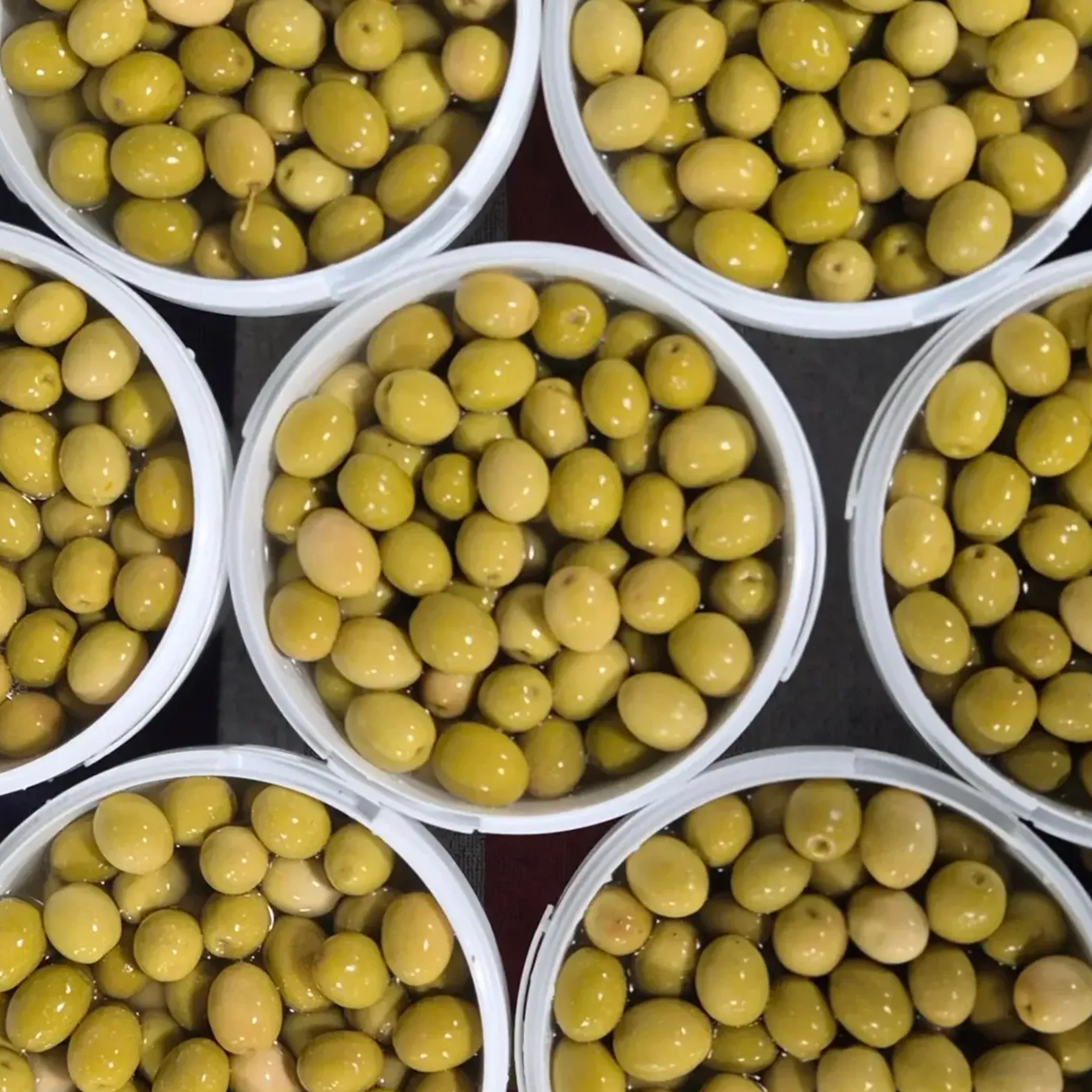
You will see the difference in the produce across Australia once spring arrives. After the winter diet, people are after berries and early fruit; the asparagus is in and the tender greens are back. But spring is fickle. A warm spell will put things forward or a bit of frost and wind will not. Keep an eye on the forecast and take a light jacket, and do not put all your lunch plans on one crop.
Early Harvest Choices
There is asparagus, broad beans, early peas, lettuce, spinach and spring onions to be had, as well as new potatoes, herbs, rhubarb and strawberries. Make sure the early peas are firm and of a bright hue. With asparagus one wants crisp stems and tight tips; some bending is no great matter provided it has been in good hands.
Then there is spring lettuce and your herbs which will not stand up to the heat for long. Put them off till you are ready to check out and put them in water or the fridge on your way home, out of the sun. A damp tea towel is preferable to submerging more delicate leaves.
Fruit Across The Country
Latitude, elevation, irrigation and the weather of the day all have their part to play in what is available in seasonal produce Australia-wide. You will find the market window for a given fruit is not the same in Queensland as in Victoria, Tasmania, Western Australia or the Northern Territory.
Regional labels can be informative but are not to be taken as gospel. When a grower puts the name of his farm gate or district on the label he is telling you something about timing and distance, yet it does not hurt to enquire as to when the picking was done.
Longer Supply Windows
You can get bananas much of the year from the warmer growing areas. Storage, different districts and staggered varieties mean apples, pears and citrus make an extended appearance on the market. Mangoes are a thing of warmer months and regions. As for blueberries and strawberries, they might show up over several seasons contingent on where they were put in the ground. Do not confuse Hass and Shepard avocados; they are distinct in texture and harvest.
Vegetables By Regional Season
One can make sense of vegetable availability by the meal if not by the month. Heat, frost and rain will affect legumes, brassicas, roots and leafy greens in varying ways. Put aside any generic chart and let the local grower tell you the practicalities: what is in abundance, what is coming to an end and what the recent weather has done.
Building A Useful Basket
In the course of a day’s shopping put together a pantry item, a piece of fruit, a quick-cooking and a roasting vegetable and a leafy green. It affords you the leeway to cook with what appears to be in best form and curbs waste.
An organic label may have its appeal, but certification and methods are not uniform. Do not be swayed by a handwritten sign; put questions to the seller regarding sprays and soil practices.
Do not be put off by a wonky looking vegetable. A small apple or blemished pumpkin can be very good value if you have use for it. Waste is more often the result of putting more than the household needs in the trolley.
Smarter Farmers Market Shopping
Observe first. Take a lap of the market to see how quality and prices compare before you commit. It is ten minutes well spent and spares you from having to buy the first strawberries on offer only to come across better ones at the other end. I made enough errors in my early days of going to the regional markets: too little cash in hand, no cooler and more greens than two could put away. These days I have a short meal plan and will ask the sellers how long an item is good for after checking the weather.
Practical Market Checklist
- See what the opening time is and whether there are any cancellations, what the parking and payment situation is like.
- Be in early for the limited crops or later to put in for a discount on seconds.
- Make a point of asking how and where it was grown and stored.
- Leave the fragile things to last and do not put cold items next to warm bread.
- If you are with an older dog or children, have a route in mind that offers shade and somewhere to stop.
A budget by basket is wiser than hunting for a bargain, since prices are a function of season and region. For a modest selection of fruit and vegetables and a couple of pantry goods figure on AUD 25–50, more so for premium meat, cheese or bread. Consider it a range for planning purposes.
Frequently Asked Questions
What Is In Season In Australia?
It is a matter of region. Summer will see tomatoes, mangoes and berries along with salad vegetables; autumn the apples, pears and pumpkins. Winter is for citrus and brassicas and the like, while spring is when you will find asparagus, early peas, broad beans and strawberries.
Are Farmers Markets Always Cheaper?
Not necessarily. While you get fresher fare and a chance to talk to the grower, cost is dictated by supply, transport, labour and the weather. Buy what you will use and do not overlook seconds.
When Are Hass And Shepard Avocados Available?
The two are separate in terms of harvest and supply and will overlap in some parts of the country. The grower at the market this week is your best source.
How Can I Reduce Market Food Waste?
Have a couple of meals in mind and do not be tempted to put something in the bin because it was cheap. Use the tops of vegetables for stock, put down some fruit to freeze and get round to cooking the leafy greens.
What Should I Do If Weather Cancels A Market?
Before you set out look at the organiser’s notice. There is no point in driving into unsafe roads or bushfire conditions because of a postponed market.
Make The Season Your Guide
Good farmers market shopping in 2026 is of a local and curious bent. Let the season and the growers be your guide and be prepared for the weather to alter your basket.
If you are after a decent lunch or making plans for a regional food weekend, go with what is fresh on your doorstep. It is better for the local grower and for your food waste, and the taste of it is all the better for it.